The Dolomites are one of Italy’s most extraordinary natural wonders. Recognized as a UNESCO World Heritage Site since 2009, these mountains combine scenic beauty, geological richness, and centuries-old Alpine traditions. The majestic peaks – from the Marmolada to the Antelao – the breathtaking panoramas, and the phenomenon of enrosadira, which at sunrise and sunset tinges the Dolomite rocks with pinkish hues, create an environment where nature, culture, and Alpine tradition blend harmoniously. Some areas of this UNESCO heritage will serve as one of the most spectacular settings for the Milano-Cortina 2026 Winter Olympics, offering a stage where sport meets nature.

Among the Olympic venues stands out Cortina d’Ampezzo, the “Queen of the Dolomites,” located in the heart of the Ampezzo Valley, another UNESCO World Heritage Site. This village in the province of Belluno, which had already hosted the Winter Olympic Games in 1956, continues to enchant visitors from around the world with its blend of natural beauty and cosmopolitan charm. Corso Italia, the elegant main street of the historic centre, overlooks the majestic Dolomite peaks – the Tofane, Cristallo, and Cinque Torri – symbols of a unique Alpine landscape. For the 2026 Olympics, Cortina’s facilities will host the bobsleigh, luge, skeleton, and curling competitions.
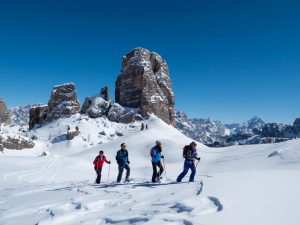
Alongside Cortina, other Dolomite valleys will also play a leading role in the 2026 Winter Olympics. Nestled in the heart of South Tyrol, the Anterselva Valley is home to Lake Anterselva, the “pearl of South Tyrol,” renowned for its green-blue waters. This protected area not only hosts the highest concentration of glaciers in South Tyrol but also a dense network of trails leading to mountain passes such as the Passo di Stella, a natural link with Austria. The valley has played a pivotal role in the history of winter sports and, on the occasion of Milano-Cortina 2026, will once again take centre stage by hosting the biathlon competitions.
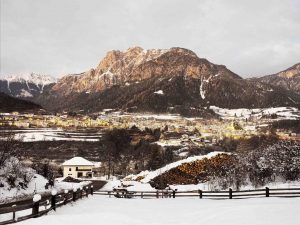
The Fiemme Valley holds a unique heritage of spectacular landscapes and deep-rooted traditions. Predazzo, described as the “Geological Garden of the Dolomites” for its extraordinary variety of rock formations, will be the venue for the Olympic ski jumping and Nordic combined events.

Not far away lies Tesero, an Alpine village renowned for its tradition of handcrafted nativity scenes. The town is home to the Lago di Tesero Cross-Country Skiing Stadium, an internationally renowned facility that has hosted the Nordic Ski World Championships three times. The area’s charm is further enhanced by the ancient forests of the Paneveggio – Pale di San Martino Natural Park, a natural habitat for rare species such as deer, roe deer, and golden eagles.
The Milano-Cortina 2026 Winter Olympics represent a unique opportunity for Italy to showcase its excellence on the world stage. Every Olympic venue will serve as a window to the world, highlighting not only sporting achievement but also Italy’s extraordinary landscapes, natural beauty and cultural heritage. At the heart of the Games, the Dolomites are preparing to strengthen and celebrate the deep bond between sport, nature, and tradition.